
A health detox retreat allows you to step away from everyday life and focus on your well-being, and preparing ahead...
Read more


The uncomfortable truth of modern life is that we live in a profoundly toxic environment.
Pollution fills our air and lungs. This isn’t just unpleasant and smelly— it’s lethal: researchers estimate that air pollution alone kills more than 5.5 million per year [1].
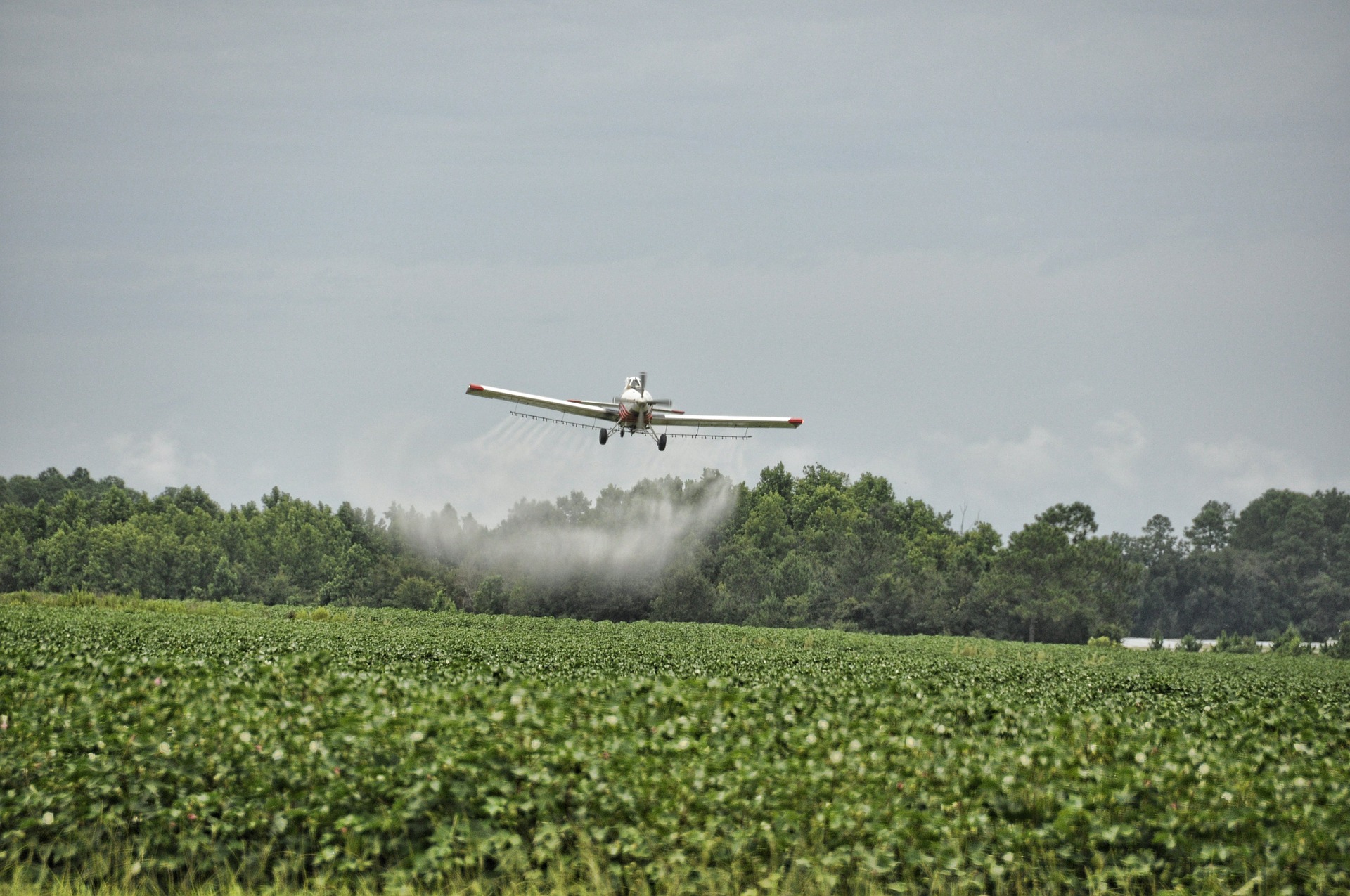
Our food supply is more compromised than ever before—dowsed in over 5.6 billion tons of cancer causing pesticides, herbicides and fungicides each year [2]. GMO crops that “grow their own” insecticides increase every year and are fed to livestock. Then they are fed to us.
These same livestock consume 70-80% of the antibiotics made in the U.S. [3], making the global antibiotic resistance crisis even worse. Antibiotics move down the food chain and even into the water supply, eventually into us and destroying our gut microbiome, a critical component of our health with many tragic health consequences.[4]
Processed foods filled with preservatives and carcinogens fill our grocery stores more than anyone wants to admit, new “food products” being pushed on us every day.
Modern life is often stressful, hectic, busy rushing around from one thing to the next.
We try to fit more and more into each day, putting ourselves under constant pressure day-in and day-out.
American work culture has documented workaholic tendencies, and on average Americans work 250 hours more per year than almost every other nation, and take shorter if any vacations. It’s a depleting year-round rat race of go!Go!GO! [5,6]
We don’t get enough sleep then try to compensate with caffeine, over-loading our adrenals and nervous system. To unwind we may try and rebalance with alcohol: like driving with one foot on the gas and the other foot on the brake.
This taxes the liver, our pancreas, disrupts hormone and metabolic balance and can trigger an inflammatory cascade. Over time, it causes chronic inflammation, a primary cause of many degenerative diseases.
This accumulation of toxins and damage from chronic inflammation carries insidious consequences. It creeps into your life so slowly, you may never notice till it’s too late.
It’s a slow progression that burdens your system in the slightest increments until finally, it’s just too much.
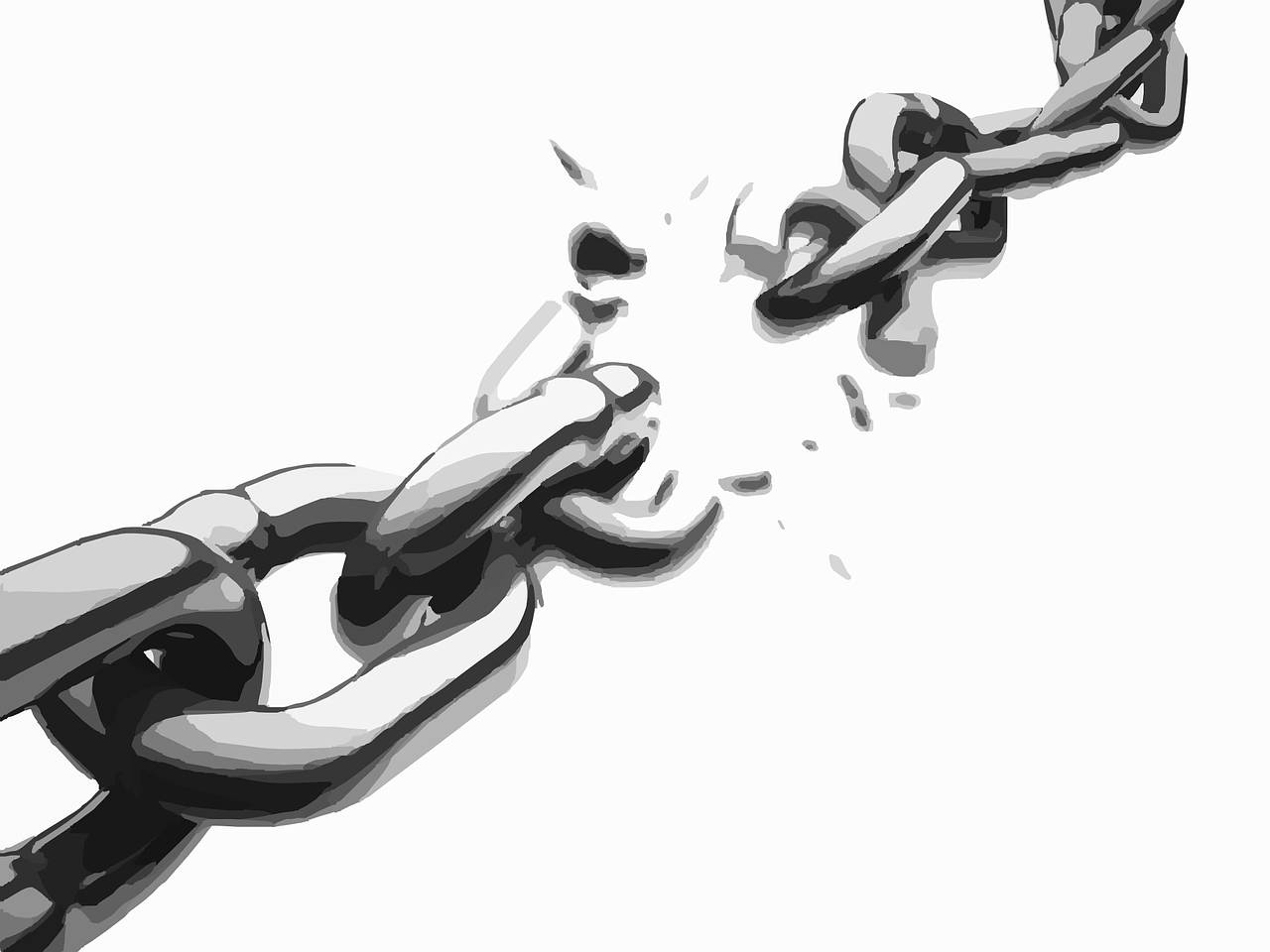
The weakest link in your body breaks.
Symptoms appear.
The hidden toxicity has reached a tipping point and becomes a serious problem.
The solution most people turn to is pharmaceuticals—fighting the effects of toxins with more toxins.
At WeCare, we have another approach.
[1] http://www.healthdata.org/news-release/poor-air-quality-kills-55-million-worldwide-annually
[2] https://www.ncbi.nlm.nih.gov/pmc/articles/PMC2946087/
[3] https://www.ncbi.nlm.nih.gov/pmc/articles/PMC3234384/
[4] http://fortune.com/2015/06/03/antibiotics-in-meat-a-public-health-controversy-that-isnt-going-away/
[5] http://www.businessinsider.com/stanford-scientist-culture-encourages-workaholism-2016-2
[6] http://fortune.com/2016/10/18/americans-work-hours-europeans/