
Fasting isn’t just a trend; it’s something millions of people are weaving into their lifestyle. In the past decade, fasting...
Read more




Fasting starts with skipping meals, but its real purpose is allowing your body to reset and heal itself. When you fast, a natural process called autophagy kicks in, helping your cells clear out the old and make room for the new.
When you’re not eating, your body shifts into repair mode. Without a steady supply of food, your cells begin breaking down old or damaged components and recycling them for energy and renewal. This self-cleaning process helps the body function at its best while protecting against aging.
Here’s what’s included:
Read on to find out how fasting triggers autophagy, the real benefits behind it, and how to make it part of your own wellness routine.

When you fast, your body takes a break from constant digestion and begins to focus on repair.
During this time, it activates autophagy, the body’s natural way of cleaning out old or damaged cells and making room for new, healthy ones.
It’s like hitting a refresh button for your cells, giving them a chance to rest, recover, and work more efficiently.
Autophagy is controlled by three key nutrient-sensing pathways: mTOR, AMPK, and SIRT1. These act like on-and-off switches that tell your body when to focus on growth or when to start cleaning up cells.
When food is plentiful, mTOR stays active, signaling your body to grow and store energy. During fasting, mTOR quiets down, allowing your cells to shift from growth to repair.
Meanwhile, AMPK acts like your body’s energy monitor, recognizing when fuel is low and encouraging the use of stored fat for energy while clearing out cellular waste.
At the same time, SIRT1, often called the “longevity gene,” helps protect DNA, reduce stress, and maintain balance.
Together, autophagy and fasting work like a deep clean for your body, helping it function at its best.
We Care Spa is a bespoke wellness experience, designed to meet you where you are. Our Journey Guides are here to answer your questions and help you take the first step.
Autophagy typically begins around 12 to 16 hours into a fast and becomes more active between 24 and 48 hours, depending on your metabolism, activity level, and eating habits.
As your glycogen stores run low and your body starts burning fat for fuel, energy shifts toward repair and rejuvenation.
It’s during this stage that your cells work their hardest to clean, rebuild and heal from within.
There are several factors that can speed up or slow down autophagy activation.
Eating a diet high in processed foods, refined sugar, or constant snacks can delay the process because your body stays focused on digestion instead of repair. Choosing whole foods and allowing time between meals gives your cells a chance to reset and begin the renewal process sooner.
Gentle movement, such as walking or yoga, can also help activate autophagy by improving circulation and supporting the body’s natural detox pathways.
Staying hydrated keeps this process moving smoothly, while deep, consistent sleep balances hormones and gives your body time to stay in repair mode.
When your daily habits work together with fasting, the benefits of autophagy become even stronger.
When practiced together, autophagy and fasting trigger powerful repair processes that promote lasting health and vitality. Here are some of the top benefits.

One of the most fascinating benefits of autophagy is its link to healthy aging. As your body clears away old or damaged cells, it creates space for new ones to thrive.
This renewal process helps lower oxidative stress, a main driver of aging. Over time, it also supports steady energy and overall well-being.
Autophagy helps your body become more flexible with how it uses fuel.
When you fast, your body learns to burn both sugar and fat for fuel, which keeps your blood sugar steady and supports healthy metabolism.
Over time, this helps prevent energy crashes, and many people who fast say they feel more awake and focused throughout the day.
Your immune system relies on healthy cells to defend your body.
Autophagy helps by removing old or damaged immune cells and recycling their parts to create new ones.
This helps your body fight germs and keeps inflammation under control, especially when you’re under stress or during cold and flu season.

Autophagy isn’t just good for your body, it’s amazing for your brain too. It clears out protein buildup that can interfere with how your brain works, helping protect memory and focus over time.
Many people who fast notice better concentration, sharper thinking, and a greater sense of emotional balance.
It’s a natural way to support both mental clarity and long-term brain health.
Ongoing research suggests that autophagy may play a role in cancer prevention by helping the body remove damaged or abnormal cells before they can cause harm.
While fasting isn’t a cure or medical treatment, it can support your body’s natural defense system. While helping it identify, repair, or clear out cells that aren’t functioning properly.
As this cleanup continues, your body removes damaged cells that could turn into disease, helping lower the risk of cancer and keeping you healthy overall.
Fasting can be practiced in various ways, and each approach affects the body in a slightly different manner. Here’s a look at the fasting methods that work best for autophagy.

Autophagy and intermittent fasting work together to spark the body’s natural repair process. By taking regular breaks from eating, your body removes damaged cells and creates stronger ones
The most common fasting method is the 16/8 approach, which means fasting for 16 hours and eating during an 8-hour window.
Others prefer an 18/6 schedule or even one meal a day, depending on what feels right for their body.
This pattern gives your system time to use stored energy, lower inflammation, and begin cellular repair without feeling restrictive.
Many people find intermittent fasting easy to maintain long-term because it naturally works with the body’s circadian rhythm.

For those looking for a deeper reset, extended fasting is a popular choice. This type of fasting lasts anywhere from 24 to 72 hours or more and can activate stronger levels of autophagy.
During this period, the body uses up its glycogen stores, increases fat metabolism, and begins breaking down old or damaged cells.
It’s important to stay hydrated, get plenty of rest, and focus on nourishing foods once you begin eating again.
If you’re considering a deeper cleanse, We Care Spa offers guided fasting and wellness programs that help you reset safely and effectively.
Alternate-day fasting gives your body more time for repair while still offering flexibility.
On fasting days, some people choose small, nutrient-dense meals of around 500 to 700 calories, while others prefer a full fast followed by a regular eating day.
Another option is the Fasting-Mimicking Diet, which provides very few calories but still activates many of the same cellular benefits as a complete fast.
These methods are great for anyone who wants to feel the restorative benefits of fasting while still keeping their energy up and staying well-nourished.

At We Care Spa, autophagy and fasting are part of a deeper wellness experience that helps you reconnect with your body, find clarity, and feel renewed from within.
Each experience includes liquid nutrition, gentle cleansing, and relaxing spa treatments that support your body’s natural detox and renewal process.
Therapies like colon hydrotherapy, infrared sauna, and lymphatic drainage help your body release toxins and cellular waste, making it easier for autophagy to do its job.
With guided fasting, your system gets the time and support it needs to clear out old cells and rebuild energy.
The caring staff provides a safe, tranquil environment where you can rest, recharge, and let your body do the healing it’s meant to do.
Discover how good renewal can feel. Book your retreat at We Care Spa and give your body the chance to rest, reset, and restore its natural rhythm.
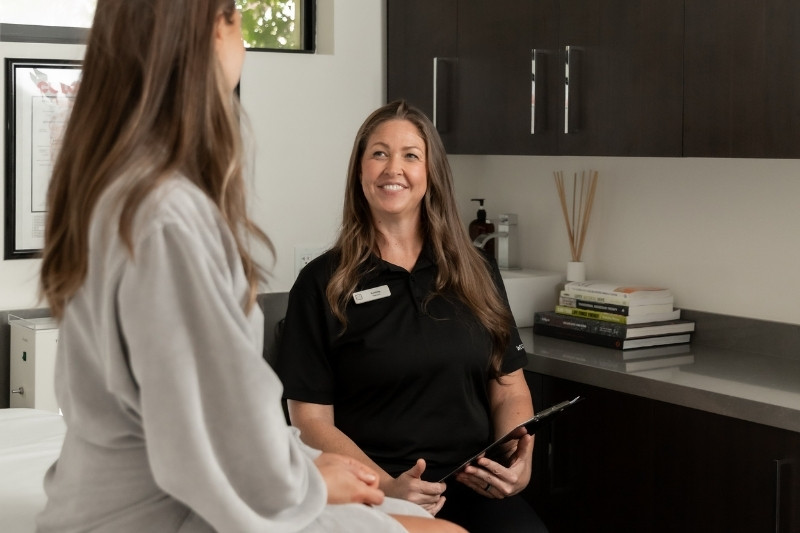
When you fast, your body starts letting go of toxins and cellular waste that have built up over time.
This cleansing is part of how fasting and autophagy work together to support your body’s natural detox process.
Sometimes, your system needs a little extra help to clear everything out, and that’s where colon hydrotherapy comes in.
This gentle treatment supports your body’s natural cleansing cycle, helping you feel lighter and refreshed as you move through your fast.
You’re probably wondering how colon hydrotherapy actually supports your body during a fast.
It works by gently cleansing the colon with warm, purified water, helping to release waste that may have built up over time.
When paired with fasting, it gives your body an extra hand in flushing out toxins that are released during cellular repair. Many people say they feel lighter, clearer, and more energized afterward.

At We Care Spa, colon hydrotherapy is an important part of the overall cleansing experience.
It works hand in hand with the spa’s nourishing liquid cleanse and wellness treatments to help you feel fully refreshed from the inside out.
Caring professionals lead each session in a calm, supportive space where your body can truly relax, release, and reset.
Guided fasting is about more than simply skipping meals; it’s about giving your body the right support so it can heal and recharge.
During a detox at We Care Spa, each program is designed to provide structure, nourishment, and care throughout your fasting experience.
This helps you enjoy the benefits of autophagy while avoiding common challenges like fatigue or digestive discomfort.
If you’re curious about trying a guided fast that encourages real cellular renewal, We Care Spa’s fasting and colon hydrotherapy programs offer a gentle, holistic path to feeling your best.
Autophagy and fasting are closely connected, but the timing can vary from person to person.
In general, autophagy typically begins around 12 to 16 hours into a fast and becomes more active between 24 and 48 hours.
Everyone’s body is different, so the ideal fasting duration depends on factors like metabolism, activity level, and diet.
While there’s no exact way to measure autophagy and fasting progress, your body often gives you subtle signs along the way.
You might notice steady energy, reduced hunger, mental clarity, and an overall sense of lightness as your body shifts into repair mode and begins renewing itself from within.
Autophagy takes place in five main stages that work together to renew and protect your cells.
1. Initiation: This is when the cell senses a lack of nutrients.
2. Nucleation: A membrane begins to form around damaged material.
3. Elongation: The waste becomes fully enclosed within the membrane.
4. Fusion: The membrane merges with lysosomes, which contain enzymes that help with breakdown.
5. Degradation: The cell breaks down and recycles those components for energy and renewal.
Yes, staying hydrated is one of the most important parts of fasting.
Drinking water and herbal teas helps your body release toxins, maintain energy, and support the natural detox process.
A touch of lemon or electrolytes can make hydration even more effective.
Black coffee in moderation is generally considered safe during fasting and may even enhance autophagy by increasing certain cellular pathways.
When practicing autophagy and fasting, avoid adding sugar or milk, as they can break your fast.
Autophagy plays an important role in keeping your body healthy as it ages. This process helps clear away old or damaged cells so your body can replace them with new ones that work better.
While it doesn’t stop time or erase aging altogether, it can slow some of the changes that make you feel tired or less resilient.
Supporting autophagy through fasting and healthy habits helps your body stay strong as the years go on.
We Care Spa is a bespoke wellness experience, designed to meet you where you are. Our Journey Guides are here to answer your questions and help you take the first step.
Autophagy and fasting work together as two of the body’s most natural ways to heal and renew. When you give your body a break from constant digestion, it finally has the chance to rest and repair.
Fasting with intention can help you feel lighter, clearer, and more energized while supporting longevity and overall well-being. With the right care and guidance, it becomes more than a wellness routine and turns into a deeply restorative experience for both body and mind.
During a retreat at We Care Spa, you’re fully supported by an educated team that guides you through every step of the journey.
Whether you’re new to fasting or deepening your practice, We Care Spa offers the guidance and care to help you experience its full potential.
Book your stay today at We Care Spa and begin your journey toward true cellular renewal, gentle detoxification, and lasting vitality.